REVIEW: Everything She Ever Said to Me (Scratch New Writing)
The pain of everyday [by James Wenley]
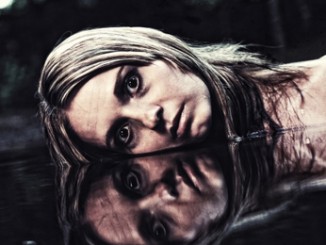
Jo’s everyday interactions are characterised by a sort of agony. As played by Kayleigh Haworth, she’s an intriguing study of indecision, awkwardness, tension and a constant internal torment about what to reveal, keep to herself, and behave.
Keziah Warner’s new play Everything She Ever Said to Me, speaks to the painfulness of conversation and the tyranny of the mundane. She’s teamed with Director Benjamin Henson, who arrived in Auckland from Britain around the same time as Warner, and have made a welcome contribution to our theatre scene, with their Scratch New Writing initiative, who they produce this work under.
The marketing material, containing cool stickers on the rules of life - “Get a job.”, “Fall in Love”, “Pay taxes”, “See the world” “Have fun Be happy” - suggests a examination of contemporary societal pressure and twenty-something milieu. The play itself is more oblique, never quite catching a firm idea of what it wants to say about it all. The external pressures on Jo are largely assumed, the play initially revolving around the struggles, decisions and indecisions of her personal existence, than any wider comment.
REVIEW: The Turn of the Screw (Auckland Fringe)
Hauntingly Effective [by James Wenley]
With so much of the Fringe being comedy orientated, it was very refreshing to take a walk on the Gothic side late on Monday night. Benjamin Henson intelligently adapts and directs this unsettling stage version of Henry James’ 1897 novella The Turn of the Screw.
A white gowned governess (Philippa Johnson) is charged with looking after orphaned children Flora and Miles. She stands out in the world of the country house where all other performers are veiled and draped in black –are they in mourning for the past deaths in the house? Or pre-mourning for events that are yet to come? The staff (Brenda Kendall and Lisa Sorenson) are secretive, and the governess begins to suspect the grounds are haunted by her “young and pretty” predecessor Miss Jessel, and a former employee called Peter Quint. “Things have happened here” we are mysteriously told. The Governess vows to keep the children safe.
There is a real palpable atmosphere of dread in the theatre. Janet Kirwan’s effective dim light casts eerie glows across the actor’s faces and the Basement’s brick walls, and Polly Sussex plays a live score on the cello throughout, underscoring the dramatic and creepy moments. The use of selections from Henry James’ masterful text heightens the mood further. The Basement becomes a claustrophobic environment.